Introduction
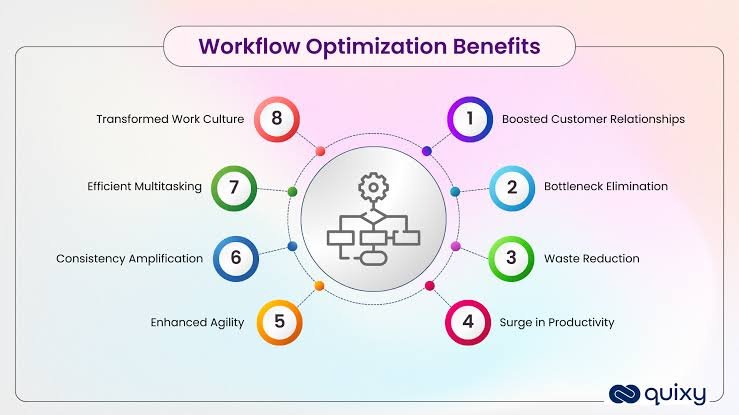
Workflow Optimization is an important part of building a successful and productive business. It focuses on improving daily processes, reducing unnecessary tasks, and making better use of available resources. Every organization wants to complete its work efficiently while maintaining high-quality results. A well-organized workflow helps employees understand their responsibilities and complete tasks on time. By adopting effective workflow optimization strategies, businesses can improve productivity, save time, reduce costs, and achieve long-term growth.
1. What Is Workflow Optimization?
Workflow Optimization is the process of improving how tasks and activities are completed within an organization. It involves reviewing existing procedures, identifying problems, and finding better ways to manage everyday operations. Businesses use this approach to make their processes faster, simpler, and more effective. It also helps employees understand the correct order of tasks and avoid unnecessary confusion. When workflows are properly organized, teams can focus more on important responsibilities instead of spending time on repetitive activities. As a result, organizations can achieve better performance and maintain consistent work quality.
2. Importance of Workflow Optimization in Modern Businesses
Modern businesses handle many responsibilities, including customer service, communication, project management, and administrative work. Without proper planning, these activities can become difficult to manage. Workflow Optimization helps organizations create a structured working environment where every task has a clear purpose. It allows managers to identify delays and improve communication between departments. Employees can also complete their responsibilities with greater confidence because they understand what needs to be done. This approach supports better coordination, improved accountability, and stronger business performance.
3. Identifying Problems in Existing Workflows
Before improving any process, businesses need to understand what is causing delays or reducing productivity. Common workflow problems include repeated manual tasks, unclear instructions, poor communication, and unnecessary approval stages. These issues can waste valuable time and affect the quality of work. Organizations should regularly review their daily operations and collect feedback from employees. Examining how tasks move between departments can also reveal areas that require attention. Once these challenges are identified, businesses can develop practical solutions that make their workflows more efficient.
4. Benefits of Automating Repetitive Tasks
Automation plays an important role in Workflow Optimization because it reduces the amount of manual work employees need to perform. Businesses can use digital tools to manage routine activities such as sending notifications, organizing information, scheduling appointments, and processing basic requests. This allows employees to spend more time on tasks that require creativity, problem-solving, and decision-making. Automation can also reduce human errors and help organizations maintain consistent processes. However, companies should choose automation tools carefully and ensure that employees understand how to use them effectively.
5. Using Technology to Improve Workflow Efficiency
Technology has changed how organizations manage their daily activities. Project management platforms, cloud-based applications, communication tools, and business management software make it easier to organize work. These solutions help teams share information, monitor progress, and manage deadlines from different locations. Employees can access important documents without depending on lengthy email conversations or manual file sharing. Choosing suitable technology can make business operations more organized and transparent. However, technology should support the company’s actual needs rather than introduce unnecessary complexity.
6. Improving Team Communication and Collaboration
Effective communication is essential for maintaining a smooth workflow. When employees receive incomplete information or unclear instructions, mistakes and delays can occur. Workflow Optimization encourages businesses to establish clear communication channels and define responsibilities for every team member. Regular meetings, shared project dashboards, and collaboration platforms can help employees stay informed about ongoing activities. Managers should also encourage team members to share feedback and discuss problems openly. Better communication creates a more cooperative workplace and helps everyone work toward common business objectives.
7. Setting Clear Goals and Priorities
A successful workflow requires clear goals and well-defined priorities. Employees should know which tasks need immediate attention and which activities can be completed later. Setting realistic deadlines helps teams organize their schedules and avoid unnecessary pressure. Managers can divide large projects into smaller activities to make responsibilities easier to understand and monitor. This also allows organizations to measure progress at different stages. When everyone understands the main objectives, it becomes easier to maintain focus and complete important work efficiently.
8. Reducing Operational Costs Through Better Processes
Poorly organized workflows can increase business expenses through wasted resources, repeated activities, and unnecessary delays. Workflow Optimization helps organizations identify these inefficiencies and use their resources more responsibly. For example, improving document management can reduce printing expenses, while automating routine processes can lower administrative workloads. Businesses can also save money by assigning tasks according to employees’ skills and experience. These improvements may reduce operational costs without compromising service quality. Over time, efficient processes can contribute to stronger financial performance and sustainable business growth.
9. Measuring Workflow Performance
Businesses should measure their workflow performance to understand whether their improvements are producing positive results. Important performance indicators may include task completion time, employee productivity, project delays, customer satisfaction, and operational costs. Regularly reviewing these measurements helps managers identify successful strategies and areas that still need improvement. Data-based decisions are generally more useful than relying only on assumptions. Organizations should also compare current results with previous performance to understand their progress. Continuous measurement keeps workflow optimization connected to real business objectives.
10. Employee Training and Skill Development
Employees are an important part of every business process, so their skills and knowledge directly affect workflow efficiency. Introducing new systems without proper training can create confusion and reduce productivity. Organizations should provide practical guidance, demonstrations, and learning opportunities whenever processes change. Training helps employees understand new responsibilities and use digital tools correctly. It also gives team members the confidence to suggest improvements based on their daily experiences. Investing in employee development creates a stronger workforce and supports long-term workflow improvement.
11. Common Challenges in Workflow Optimization
Although Workflow Optimization offers many advantages, implementing changes can sometimes be challenging. Employees may feel uncomfortable with new procedures, especially when they have followed the same working methods for years. Limited budgets, outdated technology, and insufficient training can also slow down the improvement process. Some organizations make the mistake of changing too many procedures at once, which can create unnecessary disruption. A better approach is to introduce improvements gradually and explain their benefits clearly. Listening to employee feedback and providing ongoing support can make the transition easier and more successful.
12. Future of Workflow Optimization
The future of Workflow Optimization will continue to develop as businesses adopt more advanced digital solutions. Artificial intelligence, intelligent automation, cloud technology, and data analytics are creating new opportunities to manage work more effectively. These technologies can help organizations identify patterns, organize information, and support faster decision-making. However, successful implementation will still depend on good planning, employee involvement, and responsible technology use. Businesses that regularly evaluate their processes will be better prepared to adapt to changing market conditions. By combining human skills with suitable digital tools, organizations can build more flexible and productive working environments.
Conclusion
Workflow Optimization helps businesses improve productivity, reduce unnecessary expenses, and manage daily operations more effectively. By identifying inefficient processes, using suitable technology, and improving communication, organizations can create smoother working systems. Employee training and regular performance measurement are equally important for achieving lasting results. Businesses should treat workflow improvement as an ongoing activity rather than a one-time project. With the right strategies, Workflow Optimization can support better performance, stronger teamwork, and sustainable business growth.
Frequently Asked Questions (FAQs)
1. What is Workflow Optimization?
Workflow Optimization is the process of improving business activities by removing unnecessary steps, reducing delays, and organizing tasks more effectively. Its main purpose is to increase productivity and improve overall operational performance.
2. How does Workflow Optimization improve business productivity?
It improves productivity by simplifying processes, automating repetitive activities, strengthening communication, and helping employees focus on important responsibilities. This allows teams to complete work more efficiently.
3. Which tools can help with Workflow Optimization?
Businesses can use project management software, workflow automation platforms, cloud storage systems, communication applications, and data analytics tools. The best choice depends on the organization’s requirements, budget, and working processes.