Introduction
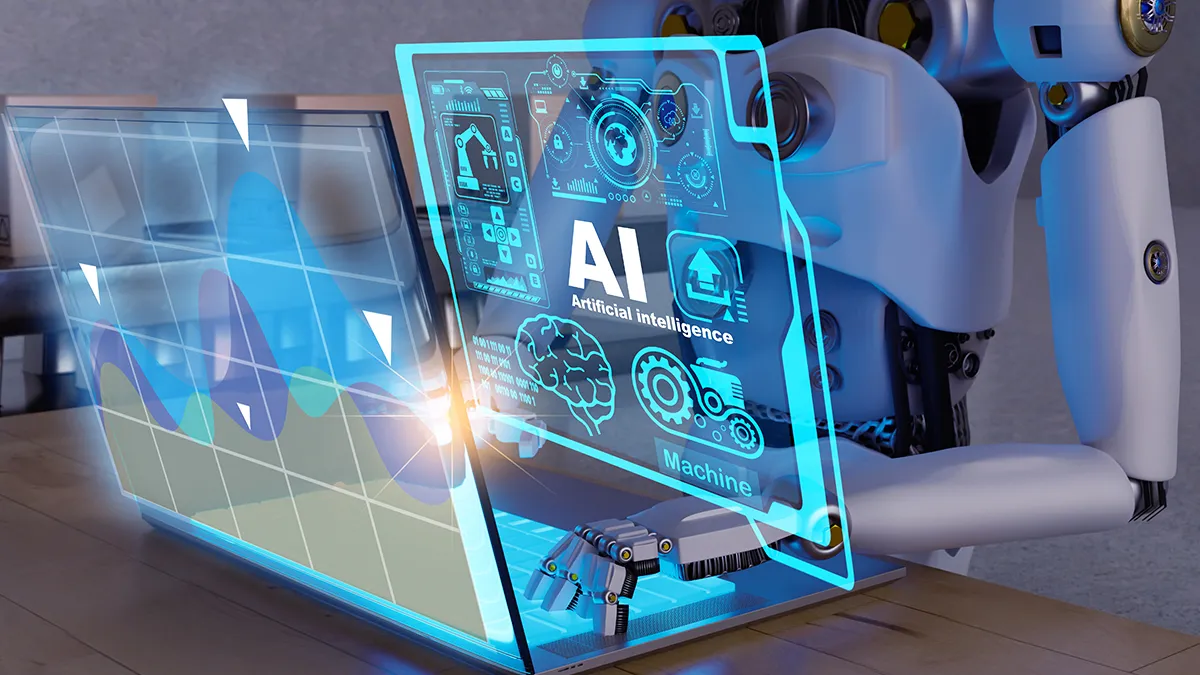
Digital Robotics is an emerging technology that combines robotics, artificial intelligence, automation, and digital systems. It helps machines perform tasks with greater accuracy, speed, and efficiency. Digital robotics is becoming an important part of modern industries, businesses, healthcare, and education. It reduces manual effort and improves productivity in different working environments. As technology continues to develop, digital robotics is creating new opportunities for innovation and smarter solutions.
1. What Is Digital Robotics?
Digital Robotics refers to the use of digital technologies to design, control, and operate robotic systems. It combines computer programming, sensors, artificial intelligence, and automation to help robots perform different activities. These systems can follow instructions, analyze information, and respond to their surroundings. Digital robotics is widely used in industries where precision and efficiency are important. It makes complicated tasks easier and supports humans in completing everyday activities.
2. Importance of Digital Robotics in Modern Technology
Digital robotics plays an important role in the development of modern technology. It allows machines to perform repetitive and complex tasks while maintaining consistent results. Businesses use robotic systems to improve their operations and reduce unnecessary delays. These technologies also help organizations manage resources more effectively. Digital robotics is becoming essential for companies that want to remain competitive in a technology-driven world.
3. Applications of Digital Robotics in Different Industries
Digital robotics has applications in several industries, including manufacturing, agriculture, transportation, healthcare, and construction. In manufacturing, robots help assemble products and manage production processes. In agriculture, robotic equipment supports planting, harvesting, and crop monitoring. Healthcare professionals use robotic systems for certain surgical procedures and patient assistance. These applications demonstrate how digital robotics can improve productivity and support important human activities.
4. Role of Artificial Intelligence in Digital Robotics
Artificial intelligence is an important part of advanced digital robotics. It enables robotic systems to process information, recognize patterns, and make decisions based on available data. AI-powered robots can identify objects, understand certain instructions, and adjust their actions according to changing conditions. Machine learning also helps robots improve their performance through experience and training. The combination of artificial intelligence and robotics is making automated systems more intelligent and useful.
5. Benefits of Digital Robotics
One of the biggest benefits of digital robotics is its ability to increase productivity and save time. Robots can perform repetitive tasks for extended periods without experiencing human fatigue. They also help reduce certain workplace errors and improve the consistency of production. Another advantage is improved workplace safety because robots can handle some dangerous or physically demanding activities. Digital robotics also allows businesses to manage their operations more efficiently and deliver better-quality services.
6. Digital Robotics in Education and Learning
Digital robotics is becoming increasingly popular in educational institutions. Schools, colleges, and universities use robotics kits and programming tools to introduce students to practical technology skills. Students learn how machines work, how to write computer instructions, and how to solve technical problems. These activities encourage creativity, logical thinking, and teamwork. Digital robotics also prepares young learners for future careers in engineering, computer science, automation, and artificial intelligence.
7. Challenges and Limitations of Digital Robotics
Despite its advantages, digital robotics also comes with several challenges. Developing and maintaining robotic systems can be expensive, especially for small businesses. Some organizations may also face difficulties finding skilled professionals who can operate and repair advanced machines. Automation can change employment opportunities by reducing the need for certain repetitive jobs. Additionally, cybersecurity, technical failures, and data privacy are important concerns that must be addressed before implementing robotic technologies.
8. Future of Digital Robotics
The future of digital robotics looks promising as technology continues to advance. Researchers are developing smarter robots that can understand their environments and work more effectively alongside humans. Improvements in artificial intelligence, machine learning, and sensor technology are expected to expand robotic capabilities. In the coming years, digital robotics may become more common in homes, hospitals, factories, and public services. Responsible development and proper human supervision will be important for making these technologies beneficial to society.
Conclusion
Digital Robotics is transforming the way people work, learn, and interact with technology. It combines automation, artificial intelligence, and computer-based systems to improve efficiency and accuracy. Its applications can be seen in many important industries, including healthcare, education, and manufacturing. Although challenges such as cost, employment changes, and security remain, its potential is significant. With responsible development, digital robotics can contribute to a smarter, more productive, and technologically advanced future
Frequently Asked Questions (FAQs)
1. What is Digital Robotics?
Digital Robotics is the combination of robotics, computer technology, artificial intelligence, and automation to create systems that can perform tasks with limited or direct human assistance.
2. Where is Digital Robotics commonly used?
Digital robotics is commonly used in manufacturing, healthcare, agriculture, education, transportation, construction, and other industries that benefit from automation.
3. What is the future of Digital Robotics?
The future of digital robotics involves smarter machines, advanced automation, improved human-robot collaboration, and wider applications in everyday life and professional environments.