Introduction
Automated Reporting is a modern approach to creating and sharing reports with minimal manual effort. It helps businesses collect, organize, and present important information automatically. Instead of spending hours preparing spreadsheets and documents, teams can save time through automation. This process also reduces human errors and improves the accuracy of business data. As a result, organizations can make better decisions and improve their overall productivity.
1. What Is Automated Reporting?
Automated Reporting is the process of generating reports using software and digital tools without requiring repeated manual work. It collects information from different sources, processes the data, and presents it in an organized format. Businesses use this approach to monitor performance, review progress, and understand important trends. It makes reporting easier, faster, and more convenient for employees.
2. Importance of Automated Reporting
Automated Reporting plays an important role in modern business operations because it simplifies everyday reporting tasks. Employees no longer need to spend excessive time collecting information and preparing reports manually. Instead, automated systems handle repetitive activities and provide updated information whenever required. This allows businesses to focus more on planning, customer service, and achieving their goals.
3. How Automated Reporting Works
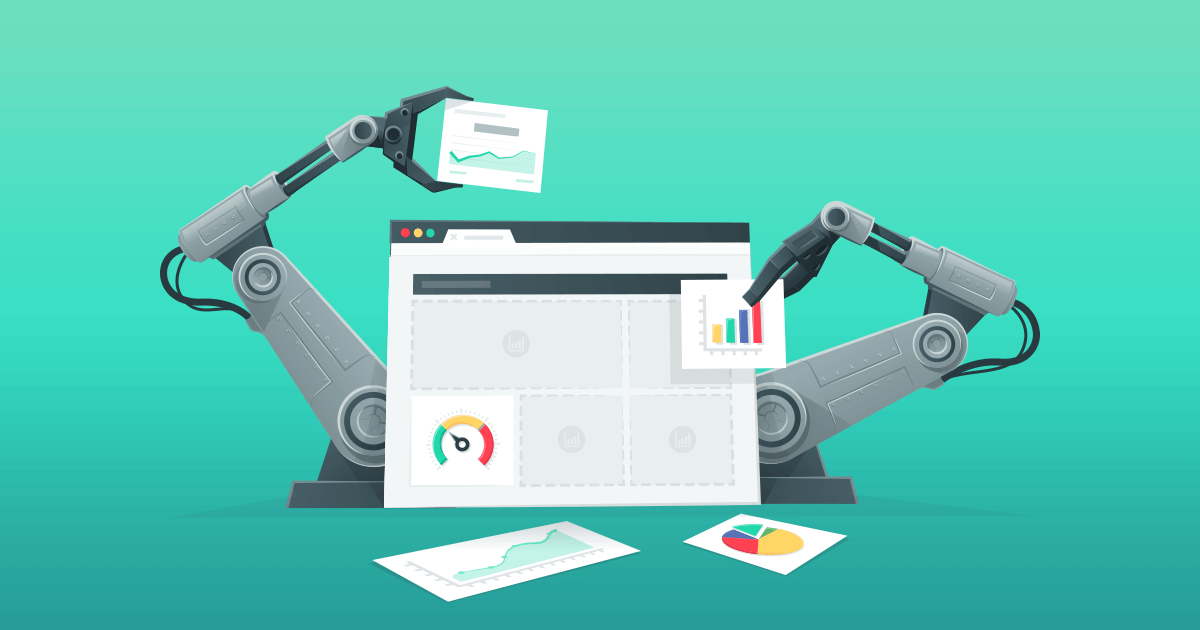
The process of Automated Reporting begins by connecting reporting software with different data sources, such as spreadsheets, databases, websites, and business applications. The system collects relevant information and organizes it according to predefined instructions. After processing the data, it creates reports in formats such as charts, tables, and dashboards. These reports can then be shared with the relevant team members automatically.
4. Benefits of Automated Reporting
One of the biggest advantages of Automated Reporting is that it saves valuable time and reduces repetitive work. It also helps improve data consistency by following the same reporting rules each time. Businesses can access important information more quickly and identify problems before they become serious. These benefits make automated reporting a useful solution for organizations of different sizes and industries.
5. Automated Reporting for Business Growth
Businesses need accurate information to understand their performance and plan future activities. Automated Reporting provides useful insights into sales, expenses, customer behavior, and operational performance. Managers can review these details and identify areas that need improvement. By using reliable reports, companies can develop better strategies, manage resources effectively, and support long-term business growth.
6. Role of Data Accuracy in Automated Reporting
Data accuracy is essential for making informed business decisions. Automated Reporting helps maintain consistency by collecting and processing information according to established rules. It reduces the chances of mistakes that can occur during manual data entry and calculations. However, businesses should regularly review their data sources and reporting settings to ensure that the information remains correct and reliable.
7. Automated Reporting and Time Management
Managing time effectively is important for every organization. Preparing reports manually can take hours, especially when employees work with large amounts of information. Automated Reporting reduces this workload by handling repetitive reporting activities in less time. Employees can use their saved time for important responsibilities, creative tasks, and projects that require human judgment and attention.
8. Popular Tools for Automated Reporting
Several digital tools help organizations create and manage automated reports. Platforms such as Microsoft Power BI, Tableau, Google Looker Studio, and Microsoft Excel provide features for organizing data and presenting useful insights. These tools allow users to create dashboards, connect information sources, and schedule report updates. Choosing the right platform depends on business requirements, available resources, and technical knowledge.
9. Automated Reporting for Better Decision-Making
Good business decisions depend on having access to relevant and understandable information. Automated Reporting makes it easier for managers to review performance indicators and recognize important changes. For example, sales reports can show which products are performing well, while financial reports can highlight increasing expenses. This information supports more informed decisions and helps businesses respond to changing conditions.
10. Challenges of Automated Reporting
Although Automated Reporting offers many advantages, businesses may experience certain challenges during implementation. These can include software costs, technical difficulties, data integration problems, and employee training requirements. Incorrect settings can also produce misleading results. Organizations should choose suitable software, establish clear reporting procedures, and provide proper training to ensure that the reporting system works effectively.
11. Security and Privacy in Automated Reporting
Protecting business information is an important part of any automated reporting system. Reports may contain financial details, customer information, or confidential company data. Businesses should use secure platforms, access permissions, strong passwords, and appropriate data protection policies. Regular system reviews can also help identify security weaknesses and prevent unauthorized access to sensitive information.
12. Future of Automated Reporting
The future of Automated Reporting is expected to become more advanced with the development of artificial intelligence, machine learning, and cloud technology. Modern reporting platforms are increasingly capable of identifying patterns, highlighting unusual changes, and providing useful summaries. These improvements can make business information easier to understand and access. As technology develops, automated reporting will continue to support efficient and data-driven business operations.
Conclusion
Automated Reporting has become an important part of modern business management. It reduces manual work, saves time, and improves the consistency of business information. Organizations can use automated tools to understand performance and make informed decisions. Although proper setup and data security are important, the long-term benefits can be valuable. Overall, Automated Reporting helps businesses work smarter and manage information more efficiently.
Frequently Asked Questions (FAQs)
1. What is Automated Reporting used for?
Automated Reporting is used to collect, organize, analyze, and present business information automatically. It helps companies monitor performance, prepare reports, and reduce repetitive manual tasks.
2. What are the main benefits of Automated Reporting?
The main benefits include saving time, reducing human errors, improving data consistency, increasing productivity, and providing faster access to important business information.
3. Which tools are commonly used for Automated Reporting?
Popular tools include Microsoft Power BI, Tableau, Google Looker Studio, and Microsoft Excel. These platforms help businesses create dashboards, analyze information, and generate reports automatically.